

How our behaviour services helped Ivy stay with her family
With time, patience and the right guidance, Ivy became the perfect pup.

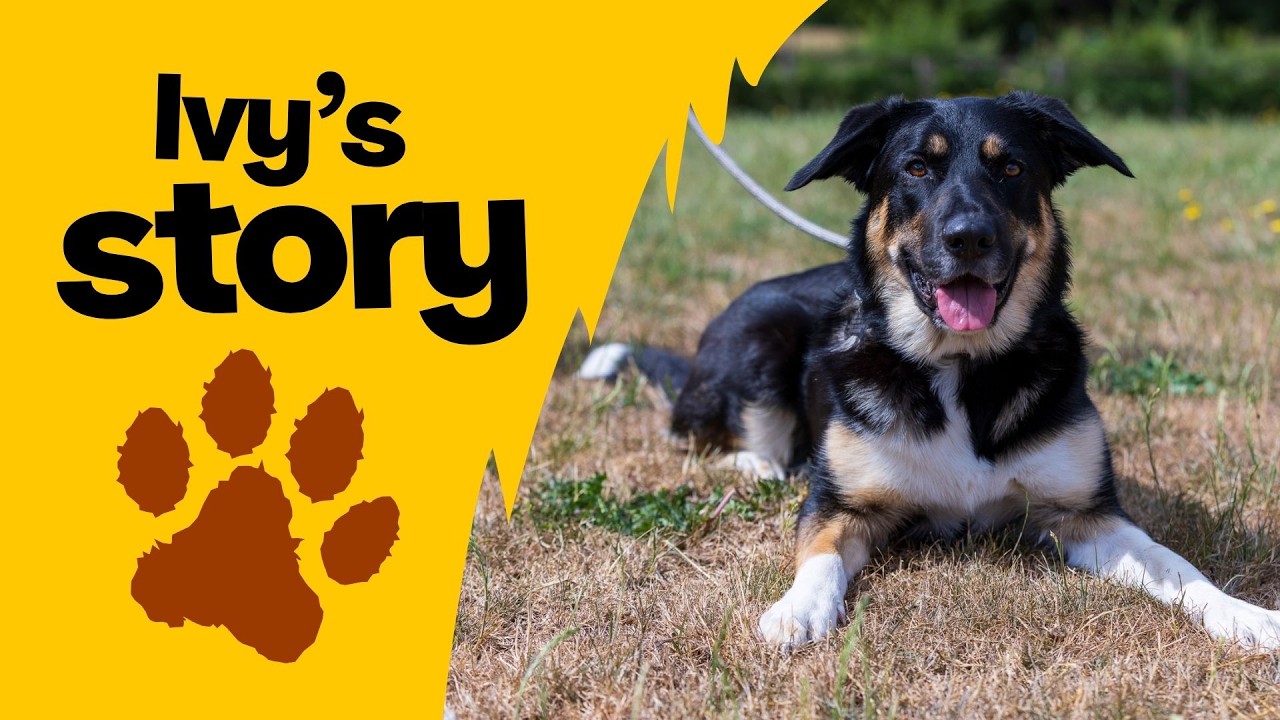
When Zoe first met Ivy, she knew there was something special about her. It felt like Ivy had chosen the family herself. What Zoe didn't know then was that, just a few months later, she would be wondering whether she could cope with keeping her at all.
When puppy biting took over family life
For the first few weeks, Ivy seemed like the perfect puppy. She settled quickly, loved being around the family and formed an immediate bond with Zoe's children, Lily and Eli.
But around 3 weeks after coming home, biting became a serious problem.
It wasn't the occasional mouthing most puppy owners expect. Ivy was grabbing clothes, pulling on skin and targeting Zoe, her husband Rhys and their daughter Lily.
One day Lily came to the bottom of the stairs and Ivy jumped on her leg. “She was pulling her pyjamas, but caught her skin at the same time,” Zoe says. "It was horrendous.”
The biting wasn't the only challenge. Ivy lunged at cars, pulled so hard on walks that Zoe ended up with back and pelvic pain, and later, Ivy developed separation anxiety when family members left the house.

Reaching breaking point
As first-time puppy owners, Zoe and her family had no idea whether what they were experiencing was normal. They searched online, watched training videos and asked friends for advice. Nothing seemed to work.
At home, the pressure was building. Zoe was caring for her children, while trying to manage an increasingly challenging puppy. "I was crying every single day," says Zoe.
Asking Dogs Trust for help
When Ivy was around 4 to 6 months old, Zoe realised she needed support.
I remember saying to Rhys, we need to get some help now, because if we don't, we're going to have to rehome her.
Zoe, Ivy's owner
We responded quickly. Zoe first received telephone support, talking through Ivy's behaviour and trying practical management techniques at home.
The family spent around one to two months putting that advice into practice.
Unfortunately, Ivy had other ideas. "Ivy can jump baby gates," says Zoe. "She can open the doors and break the locks."
When the suggested solutions weren't working, Zoe contacted us again.

A breakthrough
For Zoe, the biggest turning point wasn't any specific training technique. It was finally feeling understood.
Steph helped the family understand that Ivy wasn't a bad dog, she just needed personalised support. Every dog should be treated as an individual.

The first thing they worked on was redirecting her biting.
"She just said, ‘let's start redirecting her to toys instead of hands and fingers and everywhere else on your body,’" says Zoe. Together they taught Ivy a simple cue: ‘Ivy toy.’
"We worked and worked and worked on it," says Zoe. "And now that command is a regular go-to. If she's getting a bit too excitable around the house, all I need to say is that and she goes to put a toy in her mouth and calms down."
Steph also helped the family work through Ivy's anxiety, teaching them how to redirect her attention when Rhys was travelling and helping them rebuild a positive relationship with her crate when separation anxiety became an issue.
Most importantly, Zoe stopped feeling like she was failing.
After the first session, I felt I could finally breathe.
Zoe, Ivy's owner

A different picture today
The change didn't happen overnight, but gradually things began to improve. The biting stopped. Family life became calmer. The idea of rehoming Ivy started to disappear.
And today, the dog Zoe once thought she might lose has become an essential part of family life.
Today, Lily and Ivy snuggle up on the sofa while Ivy and Zoe's son, Eli, are inseparable. "They're like best friends,” says Zoe. "It's so cute, they follow eachother everywhere.”
Looking back, Zoe can't imagine life without Ivy.
"She means the absolute world to this family," she says. "With help from Steph, and a lot of hard work Ivy is now a perfect family dog for us."
For anyone currently struggling with their own dog, Zoe's advice is simple:
Don't give up. You might think things will never change, but if Ivy can change from how she was to how she is now, there’s hope for your dog. Don't give up.
Zoe, Ivy's owner

Need some help with your dog’s behaviour?
If you’re facing a tricky issue, or feeling completely overwhelmed, we’re here to help. Our team of experts can offer advice, training and support, just like Steph did for Zoe.
Contact our behaviour services
Whether you’re facing a tricky behaviour or feeling completely overwhelmed, we’re here to help. Our team of experts can offer advice, training and support.
Call us on 0303 003 6666 or
Related articles

Separation anxiety in dogs: signs, causes and how to help

Mouthing, nipping and puppy biting: causes and how to stop it safely
